Many dog owners in the UK enjoy daily walks with their pets without realizing a simple oversight could lead to hefty penalties. The rule in question stems from longstanding legislation that demands proper identification on every dog’s collar in public spaces. Failing to comply might result in fines up to £2,000, catching even responsible owners off guard.
The Core Rule Explained
The Control of Dogs Order 1992 requires every dog on a highway or in a public place to wear a collar displaying the owner’s name and address. This can be inscribed directly on the collar or on an attached plate or badge, ensuring quick contact if the dog strays. The law applies across England, Scotland, and Wales, enforced mainly by local authority officers rather than police. A phone number, while helpful, remains optional despite its practical value in reuniting lost pets swiftly.
Why This Rule Still Matters Today
Decades after its introduction in 1992, this regulation promotes accountability and enhances pet safety amid growing urban dog populations. Stray dogs without tags burden councils with stray holding costs, and unidentified pets face higher risks of theft or accidents. Recent warnings highlight how moving house without updating tags leaves owners vulnerable to spot checks during walks.
Common Oversights and Exceptions
Owners often forget to refresh details after address changes or opt for stylish collars lacking space for engraving. Exemptions cover working dogs like guide dogs, hounds in packs, or those herding livestock, recognizing practical needs in fields or sports. Everyday pets, however, have no such leeway, even if microchipped—collars provide visible, immediate ID.
Potential Penalties Breakdown
| Violation Type | Fixed Penalty | Maximum Court Fine | Additional Risks |
|---|---|---|---|
| No Collar/Tag in Public | £100 (on-spot) | Up to £2,000 (Level 5) | Dog seizure as stray |
| Microchip Non-Compliance | N/A | Up to £500 | 21-day compliance notice |
| Community Protection Notice Breach | £100 | Up to £2,500 (individual) | Court costs, forfeiture |
| Livestock Worrying | N/A | Unlimited | Dog destruction possible |
This table outlines key fines, showing collar issues cap at £2,000 while others escalate higher. Actual penalties often settle lower, around £200, but courts can impose the full amount for repeat offenders.
Enforcement in Practice
Local councils patrol parks and streets, issuing warnings first in many cases before fines. Officers seize non-compliant dogs, treating them as strays under related acts, which adds rehoming fees for owners. High-profile cases, like a 2018 Midlands incident with a £130 total penalty, remind walkers that ignorance offers no defense.
Staying Compliant Easily
Updating your dog’s tag takes minutes—engrave name, house number, and postcode for brevity on small collars. Pair it with mandatory microchipping by eight weeks old to cover all bases, and always carry proof during outings. Responsible habits not only dodge fines but keep communities safer for walkers, kids, and wildlife.
Broader Advice for Owners
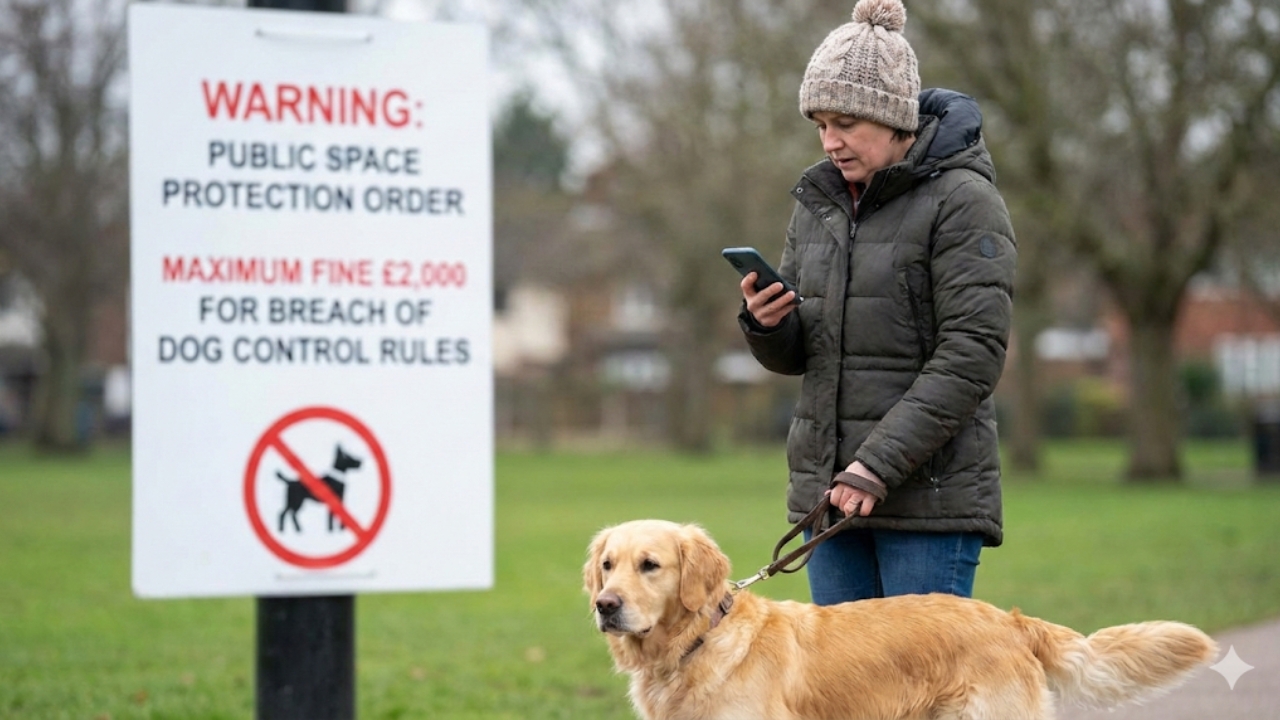
Beyond tags, heed public space orders banning dogs from play areas or mandating leads. Training classes or neutering can prevent escalation to control notices. Check council sites for local rules, as variations exist, ensuring peaceful park visits without legal worries.
FAQs
Q: Is a phone number required on the tag?
A: No, only name and address; phone is recommended.
Q: What if my dog hates collars?
A: No excuse—non-compliance risks fines and seizure.
Q: Does microchipping replace the collar rule?
A: No, both are mandatory in public.
Disclaimer
The content is intended for informational purposes only. You can check the official sources; our aim is to provide accurate information to all users.