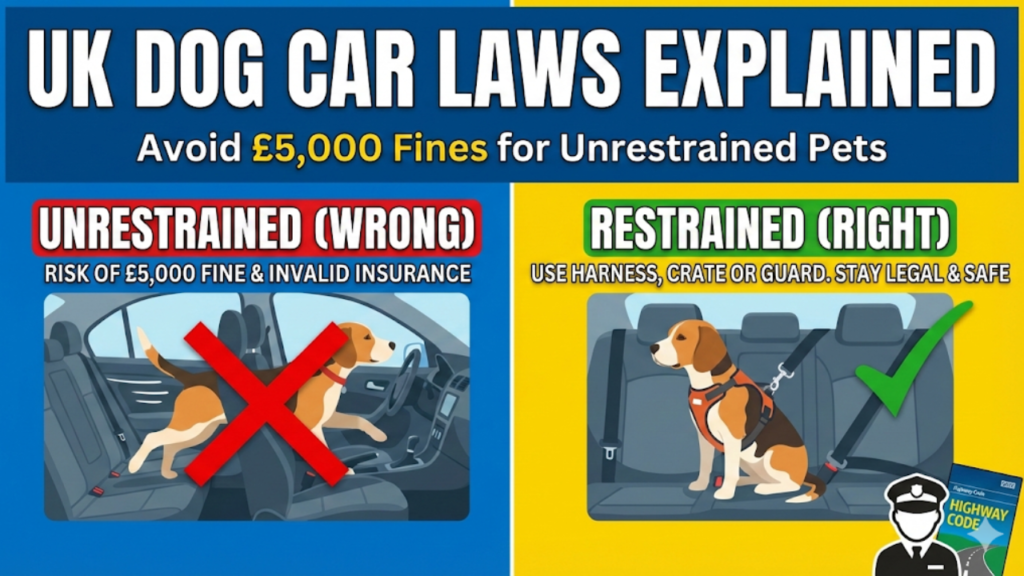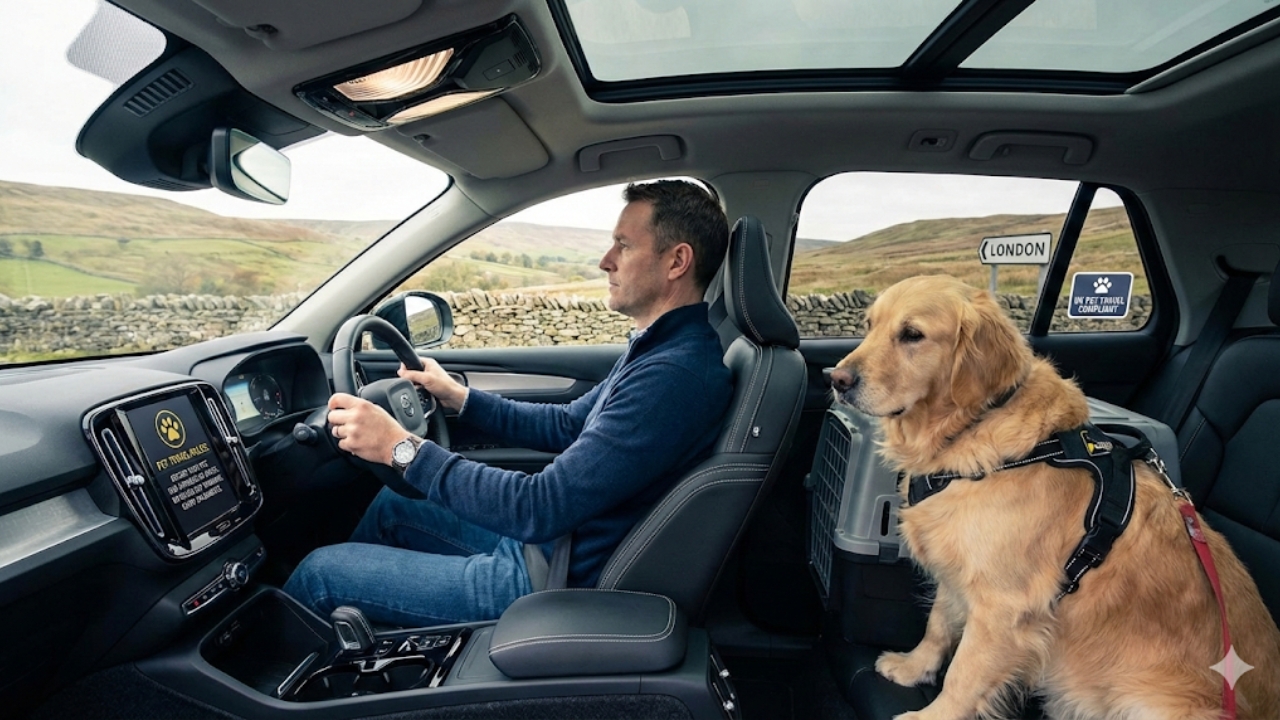
Driving across the UK with your furry companion can turn a simple road trip into a joyful adventure, but only if you follow the strict pet travel rules designed for safety and welfare. These regulations ensure animals stay secure without distracting drivers or causing harm during sudden stops. Drivers face fines up to £5,000 for non-compliance under animal welfare laws.
Highway Code Essentials
Rule 57 of the UK’s Highway Code stands as the cornerstone for pet travel in vehicles. It mandates that dogs and other animals must remain suitably restrained to prevent distractions or injuries in accidents. Suitable options include seat belt harnesses, sturdy crates, carriers, or rear guards that keep pets from roaming freely. Failing to secure your pet properly risks not just a ticket but endangering everyone on board.
Entry Requirements for Pets
Bringing a pet into Great Britain demands meticulous preparation, especially for drivers arriving from abroad. Pets like dogs, cats, and ferrets require an ISO-standard microchip implanted before rabies vaccination, followed by at least 21 days’ wait. A valid pet passport or Animal Health Certificate from an EU country, plus a ownership declaration, proves compliance. Dogs also need tapeworm treatment 24 hours to five days before arrival, or face quarantine up to four months.
Safe Restraint Options
| Restraint Type | Best For | Key Benefits | Potential Drawbacks |
|---|---|---|---|
| Seat Belt Harness | Front or back seat dogs | Allows movement while securing; airbag-compatible if off | May not fit all sizes; check for crashes |
| Pet Crate/Carrier | Small pets, anxious animals | Full enclosure prevents escape; airline-approved options | Takes space; ensure ventilation |
| Dog Guard | Boot/rear area for larger dogs | Keeps pet separated from cabin; easy install | Doesn’t restrain in collisions; pair with harness |
| Back Seat Barrier | Multiple small pets | Affordable net-style; quick setup | Less secure in sharp turns; inspect regularly |
This table highlights practical choices to meet legal standards while prioritizing comfort on long drives.
Public Transport Alternatives
While cars offer flexibility, trains provide a viable option under National Rail rules allowing up to two dogs per passenger for free. Keep them leashed or in carriers, off seats to avoid extra charges, and away from restaurant cars except for assistance dogs. Ferries and Eurotunnel suit international drivers, letting pets stay in vehicles during short crossings, though pre-booking and checks apply. Airlines restrict most pets to cargo holds inbound, banning cabin travel for non-assistance animals.
Penalties and Enforcement
Breaches carry serious consequences, from on-the-spot fines for unsecured pets to court summonses under the Animal Welfare Act. Police can prosecute drivers whose animals cause hazards, with maximum penalties including £5,000 fines or up to 51 weeks in prison. Spot checks at borders enforce entry rules rigorously, turning unprepared trips into costly quarantines. Always carry documentation to avoid delays.
Preparation Tips for Drivers
Plan ahead by scheduling vet visits months early for microchips, vaccines, and treatments. Test restraints on short drives to gauge your pet’s comfort, packing water, breaks, and familiar toys to reduce stress. For cross-channel drives, select approved routes like Eurotunnel where you stay with your pet. Assistance dogs enjoy exemptions, traveling unrestricted with proof.
Health and Comfort Focus
Prioritize your pet’s wellbeing with regular breaks for exercise and hydration, avoiding hot cars that could lead to heatstroke fines. Consult vets for travel sickness remedies and update insurance for roadside pet emergencies. Responsible driving keeps tails wagging safely across the UK.
FAQs
Q: Can dogs sit in the front seat?
A: Yes, if harnessed and the airbag is disabled.
Q: Do pets need tickets on UK trains?
A: No, up to two dogs travel free if leashed.
Q: What’s the fine for an unrestrained pet?
A: Up to £5,000 under welfare laws.
Disclaimer
The content is intended for informational purposes only. You can check the official sources; our aim is to provide accurate information to all users.