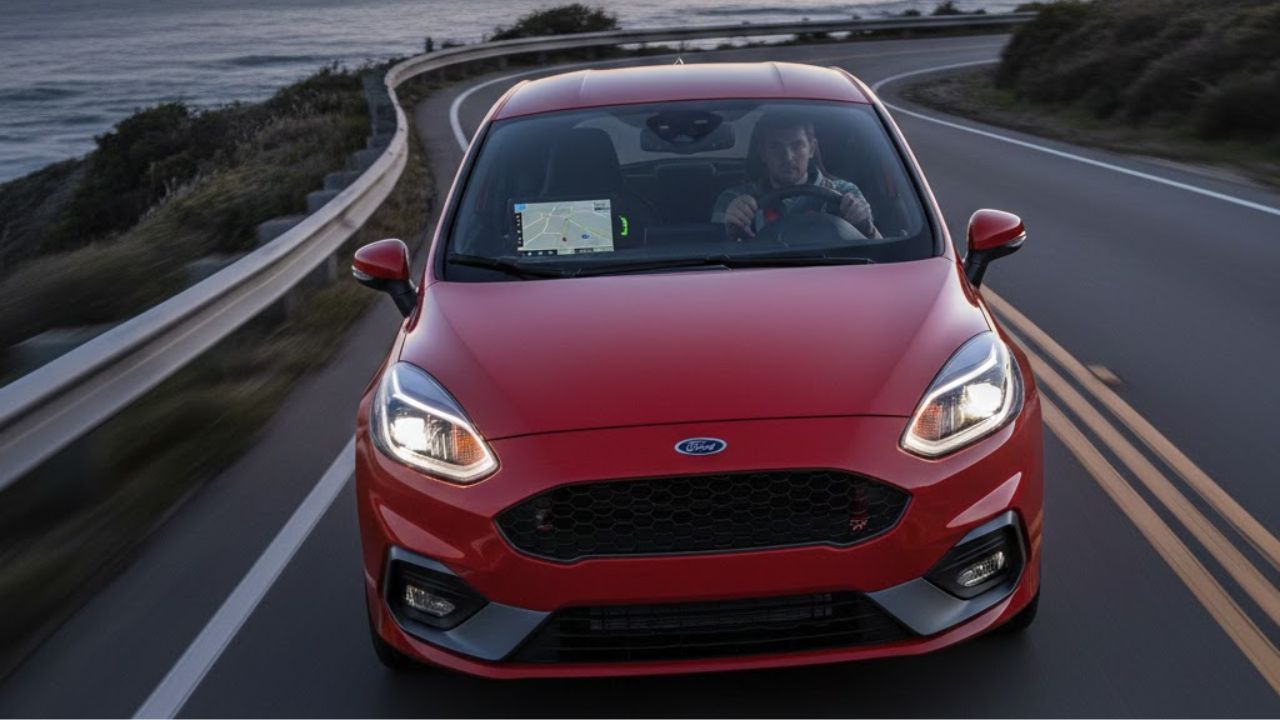
The Ford Fiesta has long been a staple of the compact car market, earning a reputation as a vehicle that balances everyday practicality with a surprisingly spirited driving character. Even as the automotive landscape shifts toward larger SUVs and electric crossovers, the Fiesta remains a benchmark for what a well-engineered hatchback should be. Known for its agile handling and efficient powertrains, it has consistently catered to city dwellers, first-time buyers, and driving enthusiasts alike. This review explores the final generation of this iconic model, breaking down how it performs on the road, the quality of its cabin, and the protective technologies that keep its occupants secure.
Spirited Performance and Drivetrain Efficiency
When it comes to the driving experience, the Ford Fiesta often punches above its weight. The heart of the lineup is the award-winning 1.0-liter EcoBoost three-cylinder engine. This turbocharged unit is a marvel of modern engineering, providing punchy low-end torque that makes merging into fast-moving traffic feel effortless. For those seeking even more efficiency, Ford introduced mild-hybrid (mHEV) technology in its later iterations, which uses a 48-volt starter-generator to assist the engine and recover energy during braking. This not only smooths out the stop-start transitions but also provides a noticeable boost in acceleration.
The handling remains the Fiesta’s “secret sauce.” Unlike many of its rivals that feel numb or disconnected, the Fiesta’s steering is sharp and communicative. The chassis is tuned to stay flat through corners, offering a level of composure that encourages spirited driving without sacrificing ride comfort. Whether you are navigating tight urban alleyways or winding country roads, the car feels light on its feet and remarkably predictable.
Technical Specifications at a Glance
To understand how the Fiesta compares across different engine configurations, the following table highlights key data points for the most popular variants:
| Engine Type | Power (HP) | 0–100 km/h | Fuel Efficiency (Combined) | CO2 Emissions |
| 1.1L Ti-VCT Petrol | 75 HP | 14.5 Seconds | 5.3 L/100km | 121 g/km |
| 1.0L EcoBoost Turbo | 100 HP | 10.5 Seconds | 4.8 L/100km | 109 g/km |
| 1.0L EcoBoost mHEV | 125 HP | 9.4 Seconds | 4.5 L/100km | 102 g/km |
| 1.5L EcoBoost (ST) | 200 HP | 6.5 Seconds | 6.0 L/100km | 135 g/km |
Interior Comfort and Infotainment Technology
Steering inside the Ford Fiesta reveals a cabin that focuses on ergonomics and user-friendliness. The dashboard layout is intuitive, moving away from the cluttered button-heavy designs of the past. Centered in the cockpit is the SYNC 3 infotainment system, featuring a crisp 8-inch touchscreen. It supports Apple CarPlay and Android Auto as standard, allowing for seamless smartphone integration. While some lower trims utilize harder plastics, the higher-spec Titanium and ST-Line models introduce soft-touch materials, ambient lighting, and more supportive seating that elevates the overall feel of the interior.
Space-wise, the Fiesta is a masterclass in packaging for its size. The front seats offer ample headroom and legroom even for taller drivers. In the rear, while space is a bit tighter compared to a mid-size sedan, it remains perfectly adequate for children or short trips with adults. The boot capacity stands at approximately 311 liters, which expands significantly when the 60/40 split rear seats are folded down. Clever storage solutions, such as deep door bins and a well-placed center console, ensure that the cabin remains organized during daily commutes.
Advanced Safety and Driver Assistance
Safety has always been a priority for Ford, and the Fiesta is no exception, consistently earning high marks in Euro NCAP crash testing. The vehicle is built on a high-strength steel cage designed to direct impact energy away from the cabin. Beyond its structural integrity, the Fiesta is packed with active safety technologies that act as an extra set of eyes for the driver. Standard features often include Lane-Keeping Aid, which provides gentle steering torque to help stay within lane markings, and an adjustable Speed Limiter.
More advanced versions of the Fiesta come equipped with Pre-Collision Assist and Autonomous Emergency Braking (AEB). These systems use radar and camera sensors to detect potential collisions with other vehicles or pedestrians, providing warnings and even applying the brakes automatically if the driver fails to react. Additionally, features like Traffic Sign Recognition and Blind Spot Information System (BLIS) help reduce the cognitive load on the driver, making long highway journeys safer and less exhausting.
Refinement and Daily Usability
One of the most impressive aspects of the Ford Fiesta is its refinement. Ford’s engineers worked extensively on Noise, Vibration, and Harshness (NVH) levels, resulting in a cabin that remains hushed even at highway speeds. Wind and road noise are well-suppressed, a feat that many cars in the supermini segment struggle to achieve. This makes the Fiesta not just a great city car, but a viable companion for long-distance travel. The suspension, while leaning toward the firmer side to aid handling, manages to soak up potholes and road imperfections with a maturity typically reserved for larger vehicles.
Furthermore, the “Quickclear” heated windscreen remains one of Ford’s most beloved features, allowing drivers to de-ice their windows in seconds during winter mornings. Small details like these, combined with the low cost of ownership and a vast network of service centers, contribute to the Fiesta’s enduring popularity. It is a car designed by people who understand the nuances of daily driving, ensuring that every button, lever, and pedal feels natural to operate.
Conclusion: The Enduring Legacy
The Ford Fiesta represents a pinnacle of the small hatchback formula. It manages to be economical without being boring, and compact without feeling flimsy. Its blend of engaging driving dynamics, modern interior tech, and a robust safety suite makes it a top contender for anyone looking for a reliable and fun-to-drive vehicle. While the automotive industry continues to evolve, the Fiesta’s legacy as a “driver’s car for the masses” is firmly secured. It remains a testament to the idea that you don’t need a massive vehicle to have a premium and safe driving experience.
FAQs
Q1. Is the Ford Fiesta good for long motorway journeys?
Yes, despite its small size, the Fiesta offers excellent stability and impressive sound insulation. The 1.0L EcoBoost engine provides enough power for highway cruising, and the comfortable seating makes long trips manageable.
Q2. Which Ford Fiesta trim offers the best value?
The Titanium trim is widely considered the “sweet spot.” It balances a reasonable price point with premium features like built-in navigation, climate control, and upgraded interior materials that aren’t available on the base models.
Q3. Does the Ford Fiesta have a good safety rating?
The Ford Fiesta has historically performed very well in safety tests, often receiving a 5-star Euro NCAP rating. It includes various driver-assist technologies like lane-keeping assist and emergency braking to help prevent accidents.
Disclaimer
The content is intended for informational purposes only. you can check the officially sources our aim is to provide accurate information to all users